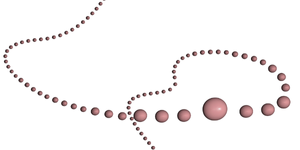
Spiral Meaning: Why the Oldest Symbol Still Resonates
The spiral is one of the first marks humans ever made. It appears carved into Neolithic stone temples, painted on Minoan pottery, pressed into clay across cultures that never had contact with each other. Before written language, before alphabets, people were drawing spirals.
That alone says something about what the shape holds. In Greek, the word is σπείρα — spira. It means a coil, a winding, a turning that continues.
A spiral moves. It returns to familiar territory but never to the same point.
Growth looks like this. Change looks like this. The rhythms of daily life — morning, work, rest, morning again — look like this if you pay attention. Always the same motion, never the same place.

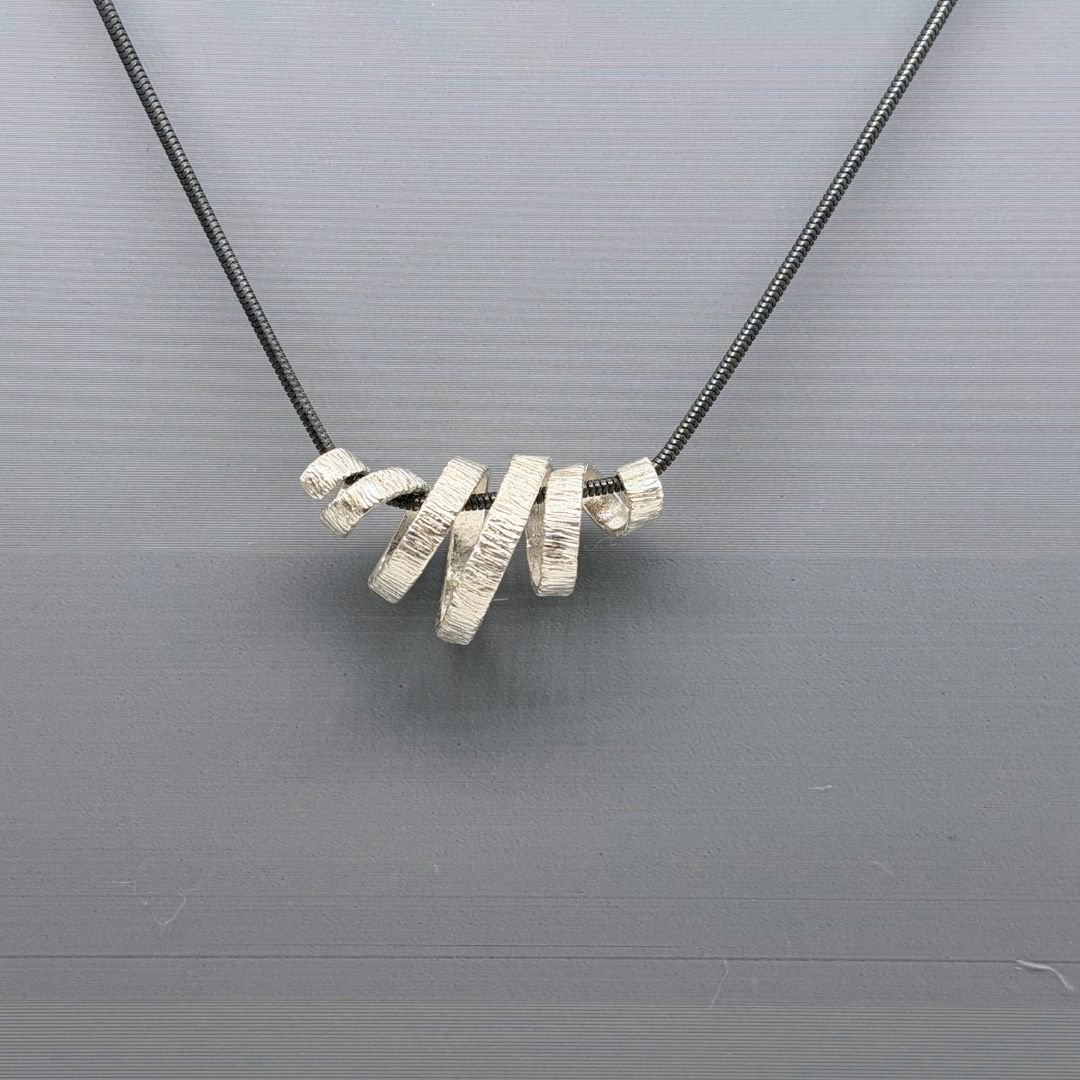
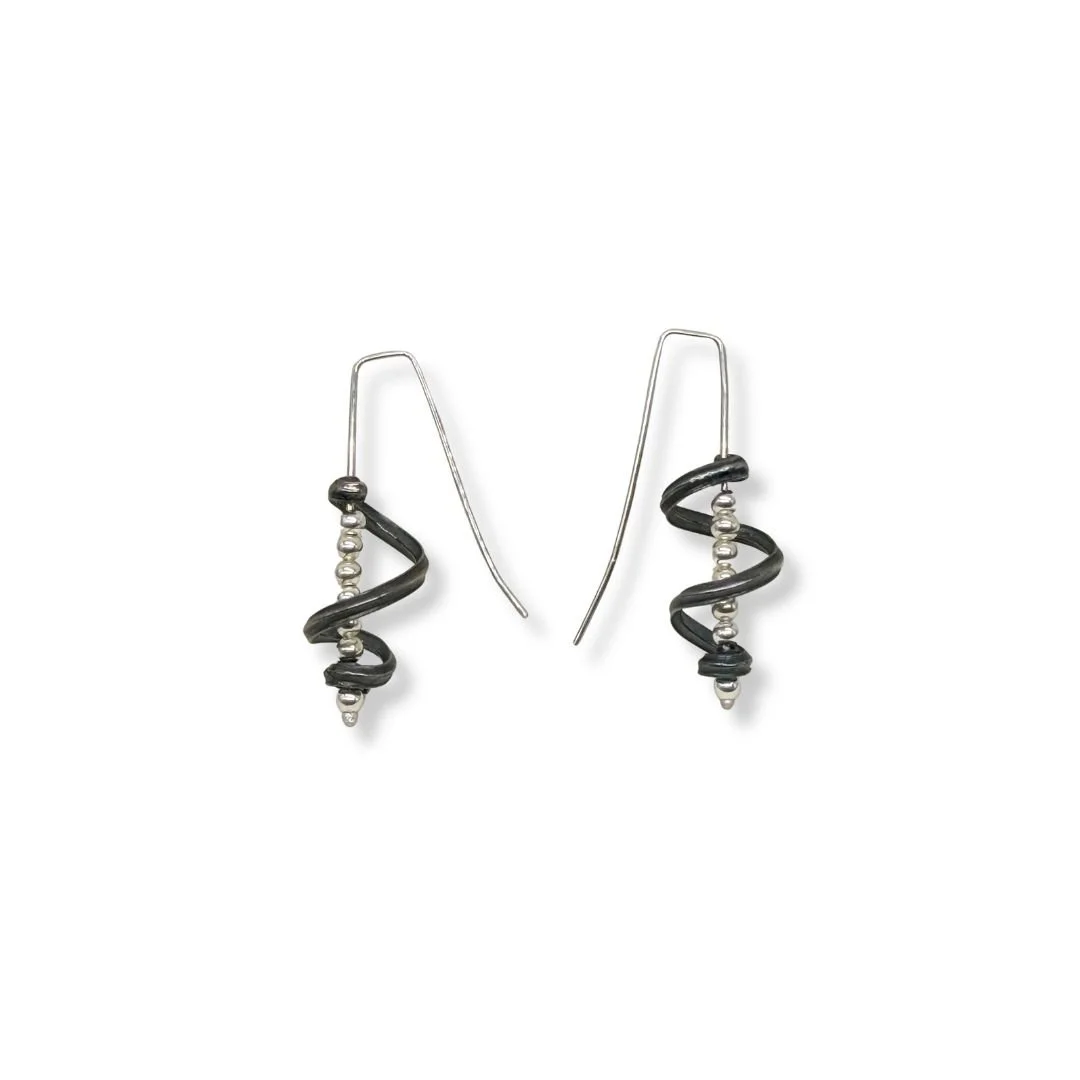
I use the spiral in my work because I believe in it. Not as decoration, not as trend, but as a shape that carries real weight. I'm not adding a symbol to a piece of jewelry. The symbol is the piece. The Greek connection is mine — I grew up surrounded by these shapes before I knew they were ancient — but the meaning is universal.
You don't need to know the history to feel what a spiral communicates when you hold it in your hand. Wearing a symbol is different from looking at one. You feel its weight. You reach for it absent-mindedly during a long meeting or a hard conversation.
Over time, it becomes less about what the spiral means in a textbook and more about what it means to you — the specific chapter of your life when you started wearing it.
The Spiral Collection includes several spiral pieces in sterling silver sometimes oxidized sometimes with 24k gold keum-boo.
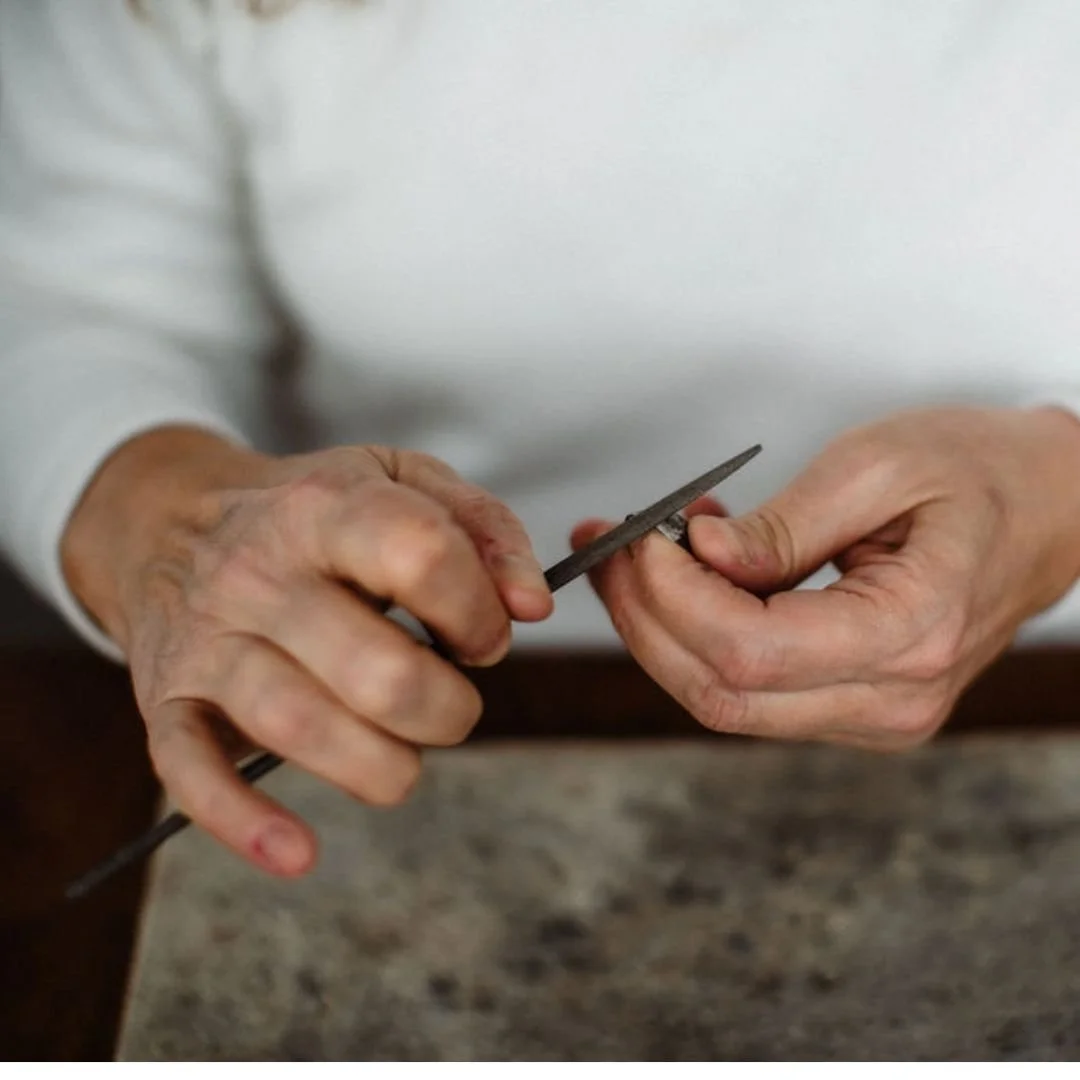
Porpe Artifacts,
is a woman-owned jewelry studio in Bothell, WA. Sterling silver, 14k gold filled, and 24k gold keum-boo — all made by hand, one piece at a time. Explore the collections · About the studio