Where Jewelry Begins
People often ask where jewelry designers find inspiration. The answer, at least for me, has very little to do with the jewelry itself.
Most people imagine that designing jewelry begins at a workbench. They picture sketches, wax carvings, or sheets of silver waiting to be transformed into something wearable.
My process starts much earlier.
Long before I begin carving wax or shaping metal, I’m collecting something less tangible: observations. Texture. Light. Rhythm. Surfaces changed by time. The practice of paying attention has become just as important to my work as any tool in the studio, because every collection begins with learning to see before learning to make.
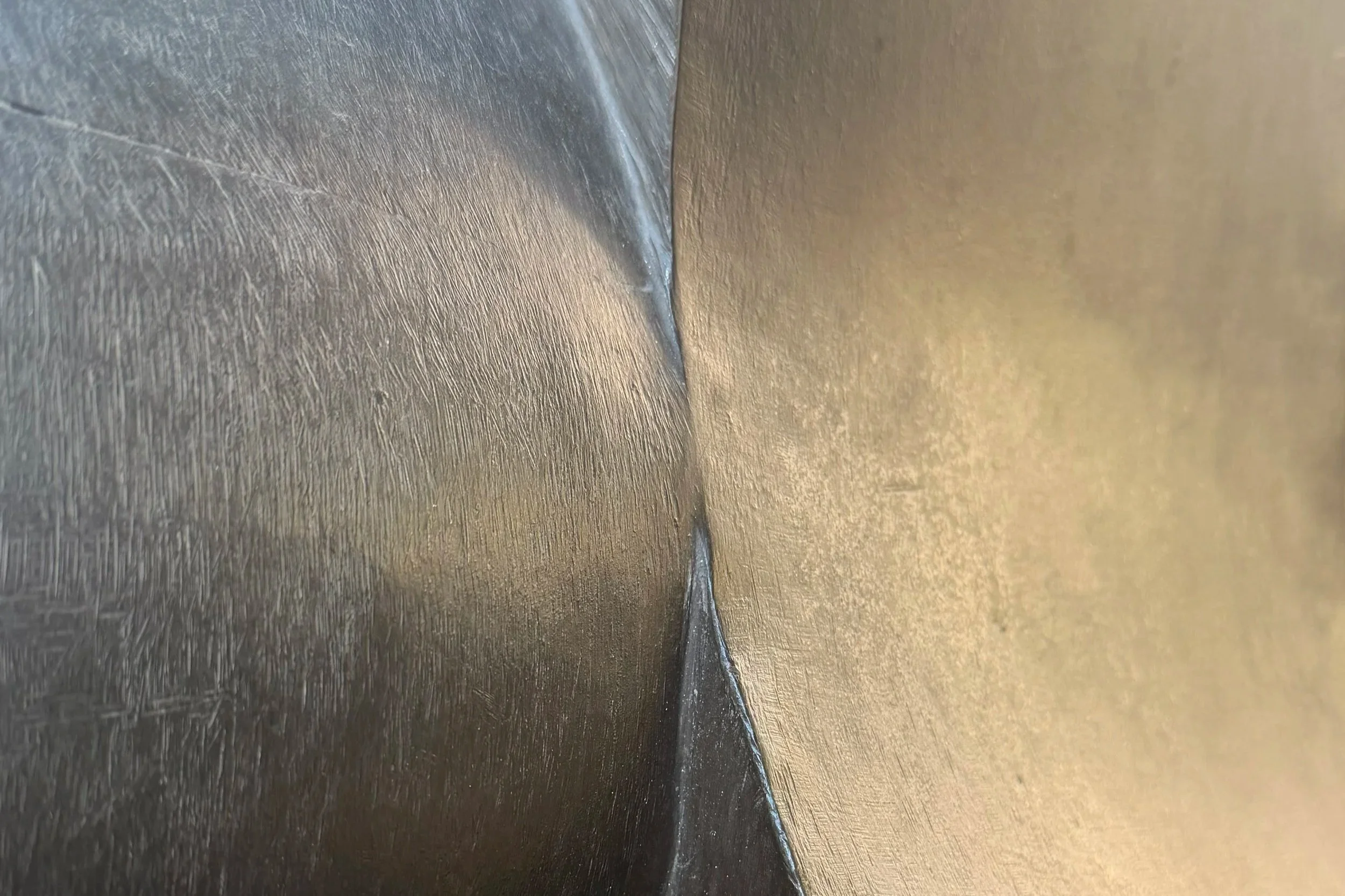
Softness hidden inside a hard material
These days it’s usually my phone. Before that, it was a camera. The tool has changed, but the habit hasn’t. Whenever something catches my eye—a weathered piece of copper, the grain of old wood, light moving across brushed steel, or the intricate structure of a leaf—I stop and take a photograph.
I’m rarely documenting a place. More often, I’m collecting visual notes. Most of them won’t become jewelry directly, and many won’t become anything at all. Their value isn’t in providing a design to copy, but in training me to notice qualities that are easy to overlook.
People often describe handmade jewelry as “nature inspired,” but that phrase can be misleading. It suggests copying a flower into metal or turning a leaf into a pendant. That has never interested me very much. What fascinates me instead is understanding why something feels beautiful.
Sometimes it’s the rhythm of repeating lines. Sometimes it’s the contrast between polished and weathered surfaces. Sometimes it’s the balance between order and irregularity, or the way a single curve quietly guides your eye across an object. Those qualities can be translated into jewelry without the finished piece resembling the original source at all.
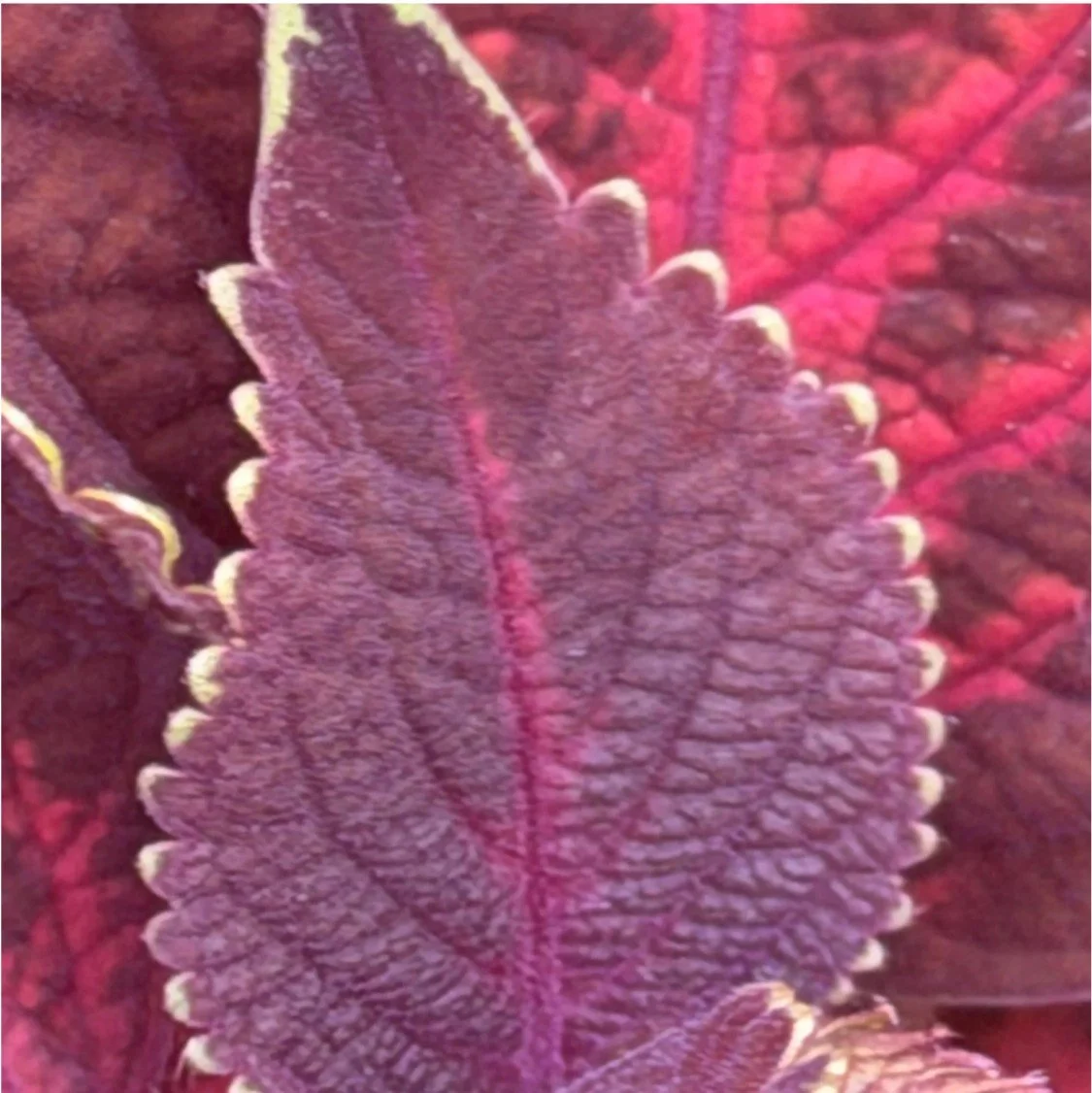
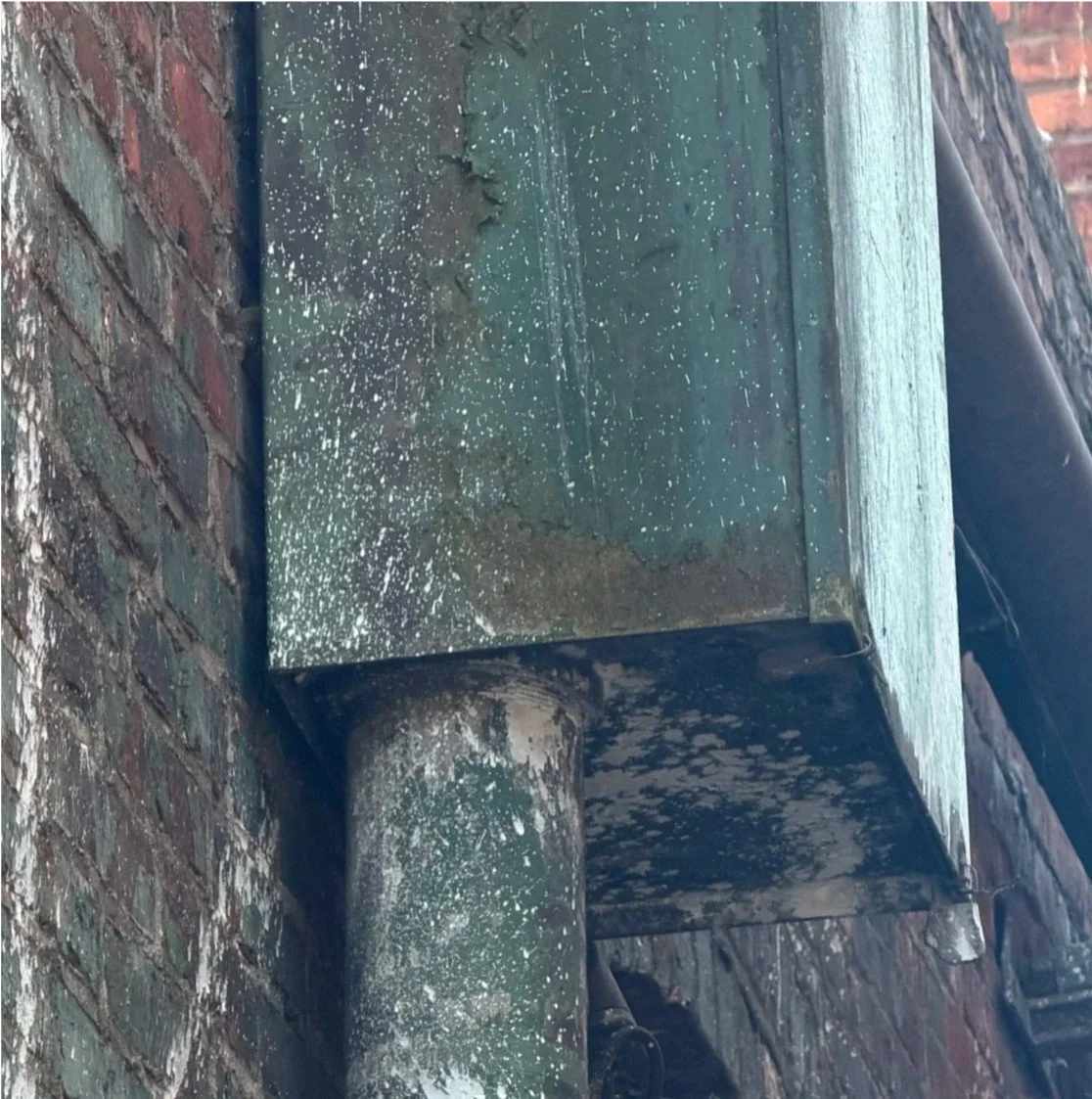
Structure doesn’t have to be symmetrical to feel balanced / Time often creates the most interesting surface
Every photograph becomes part of a growing visual vocabulary. I don’t organize them by projects or collections because they rarely belong to one. Instead, they accumulate quietly until a connection appears.
Months later, while carving wax or finishing a ring, I may suddenly remember the texture of tree bark, the movement of driftwood, or the way light softened a sheet of brushed steel. By then, the original reference has already disappeared. What’s left is an understanding of proportion, movement, texture, or surface—and those ideas find their way into the work almost without me noticing.
The inspiration isn’t the object itself. It’s the relationship between what I observed and what I eventually make.
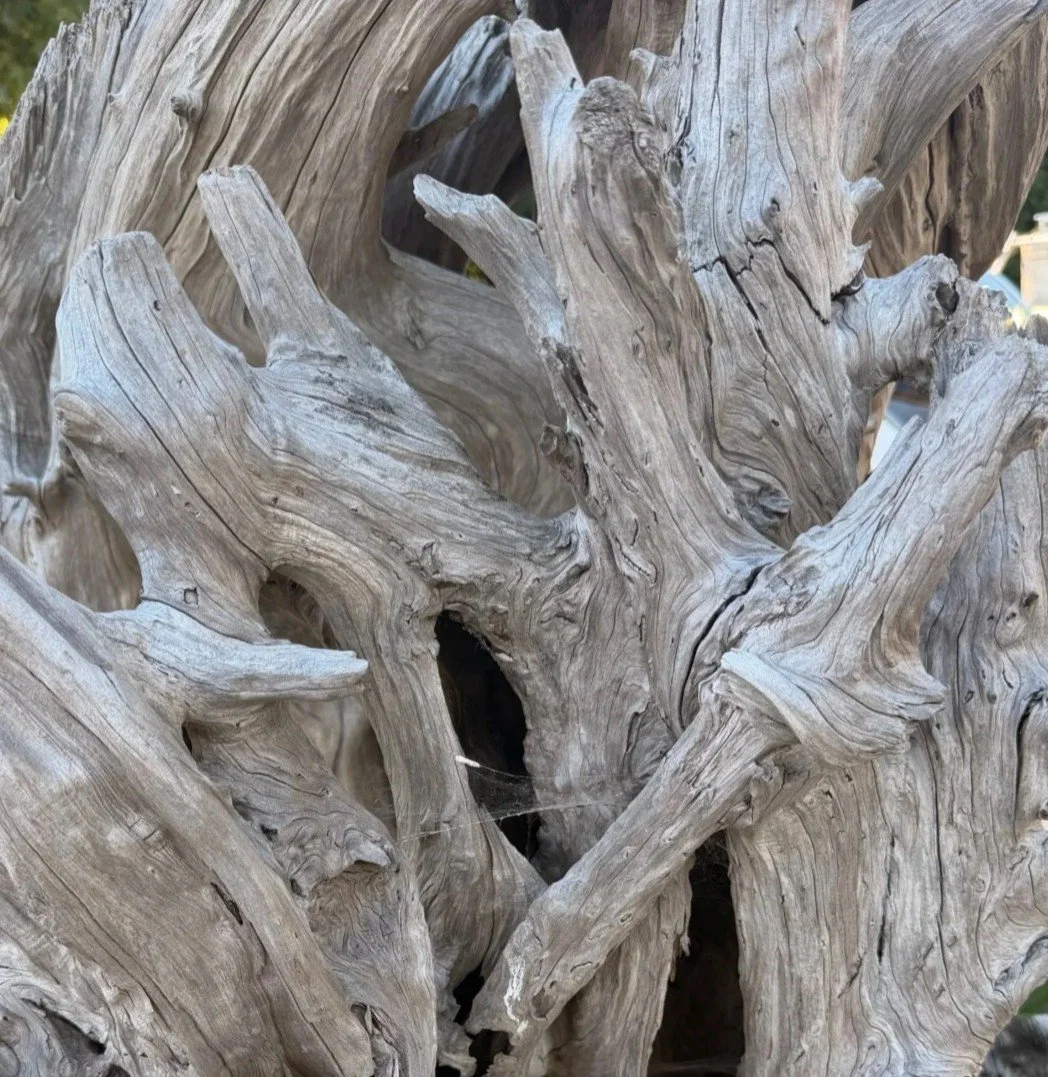
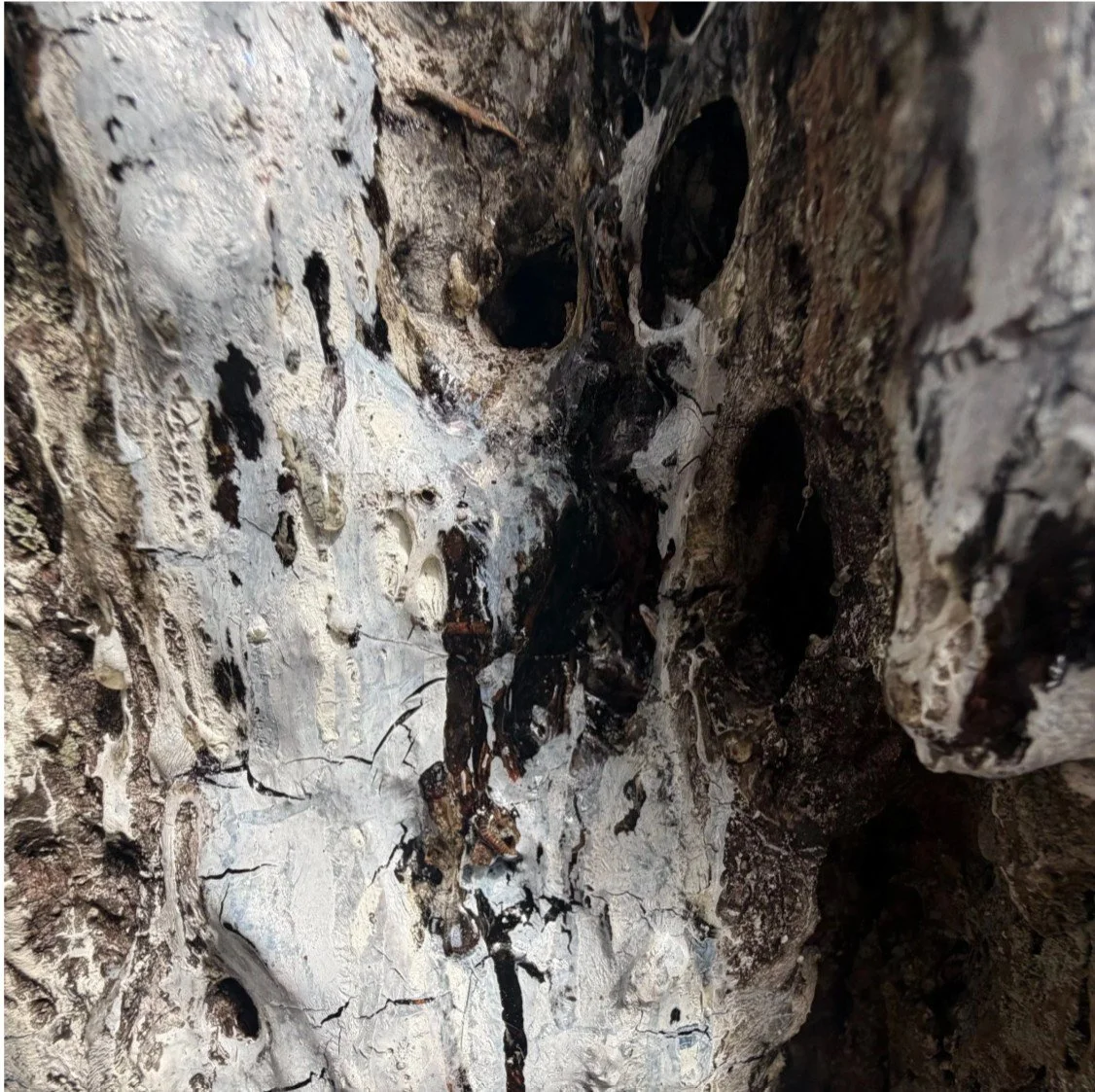
Every surface tells the story of time
You don’t need to be a jeweler to practice seeing this way.
The next time you’re walking through your neighborhood, don’t look for beautiful things. Instead, look for:
one interesting texture
one repeating pattern
one surface changed by time
one shape you’ve never noticed before
Take four photographs. Not because they’re artistic, but because they made you stop.
It’s a surprisingly simple exercise, yet it changes how you experience familiar places. Once you begin noticing these details, they’re difficult to ignore. The world becomes richer, not because it has changed, but because your attention has.
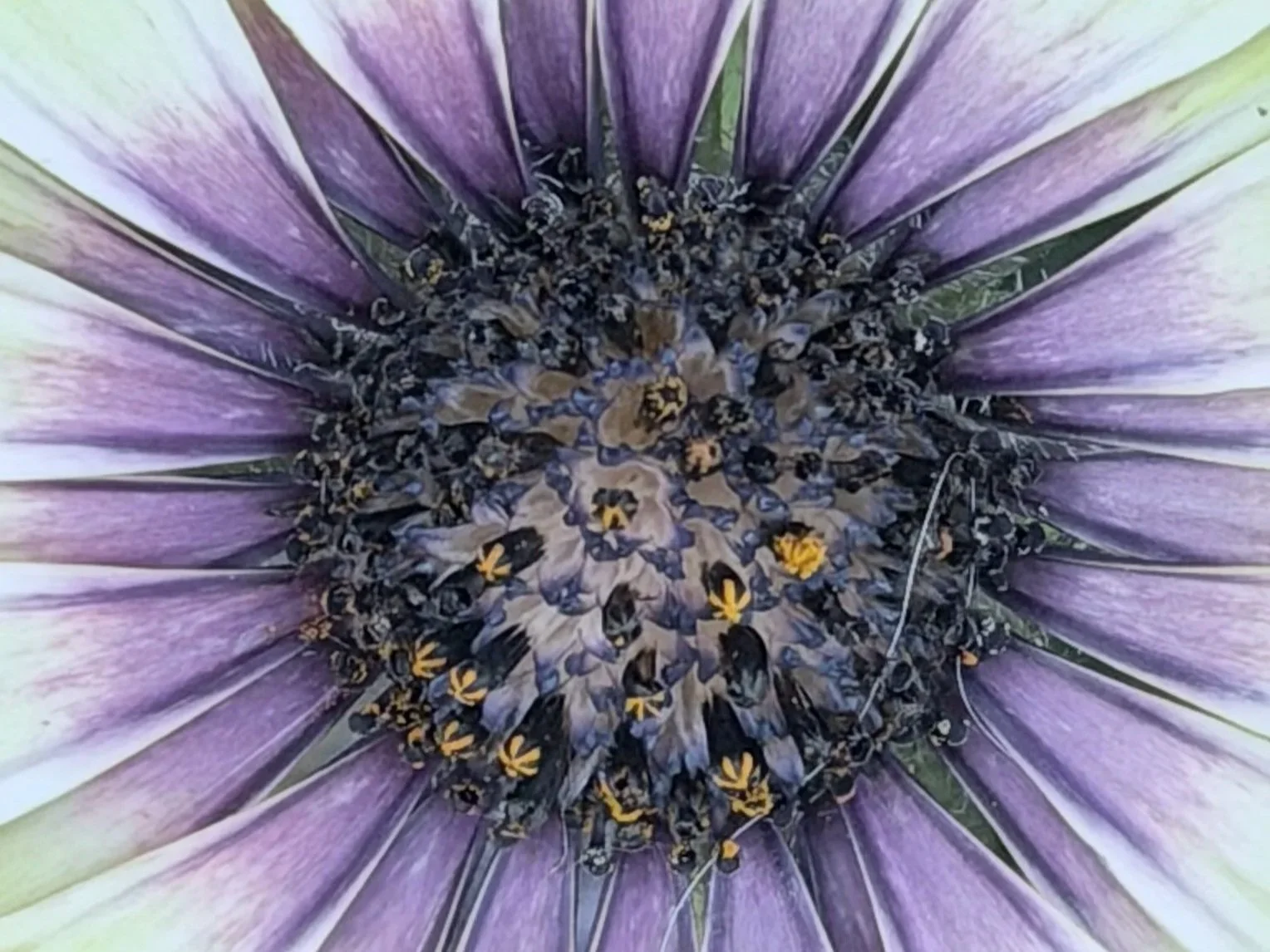
Beauty often lives where order and unpredictability meet
Some of these photographs will never become jewelry. Others already have.
The brushed curve that caught afternoon light has influenced the way I think about forming metal. Weathered surfaces continue to shape the textures I create in silver. Organic patterns appear, often quietly, throughout my work—not as copies of nature, but as echoes of something I once noticed.
By the time a finished piece reaches my website or a gallery, the photograph that started the conversation is usually invisible. If you’ve ever wondered why Porpe jewelry looks the way it does, this is where the answer begins.
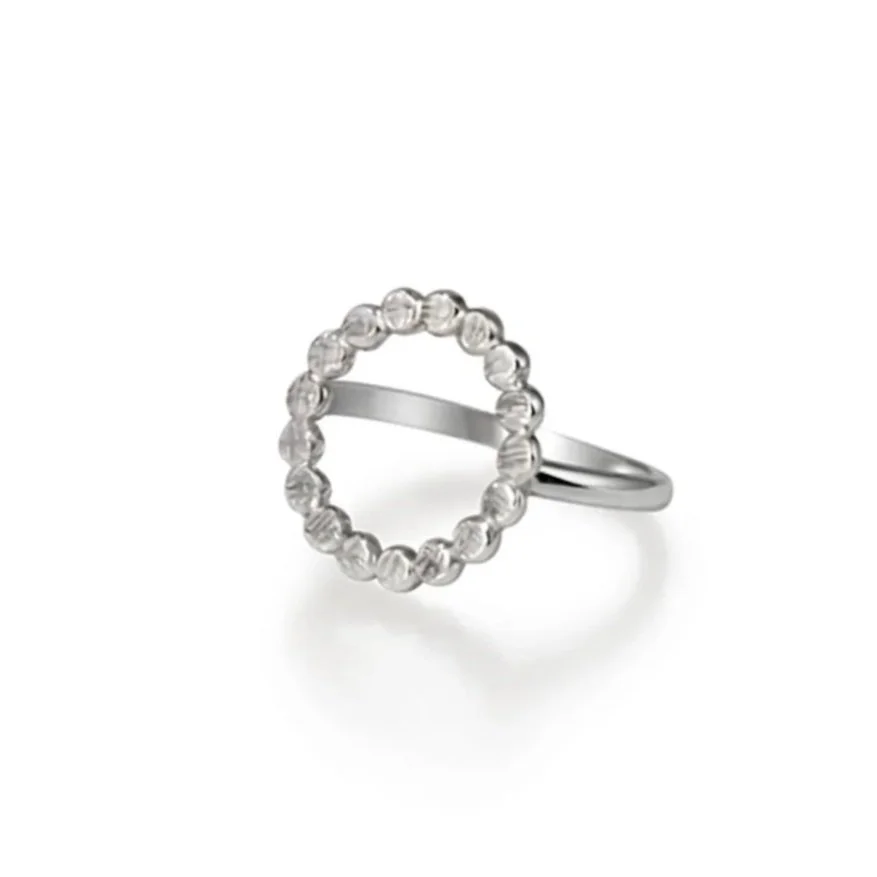
Everyday
Simple shapes refined through observation
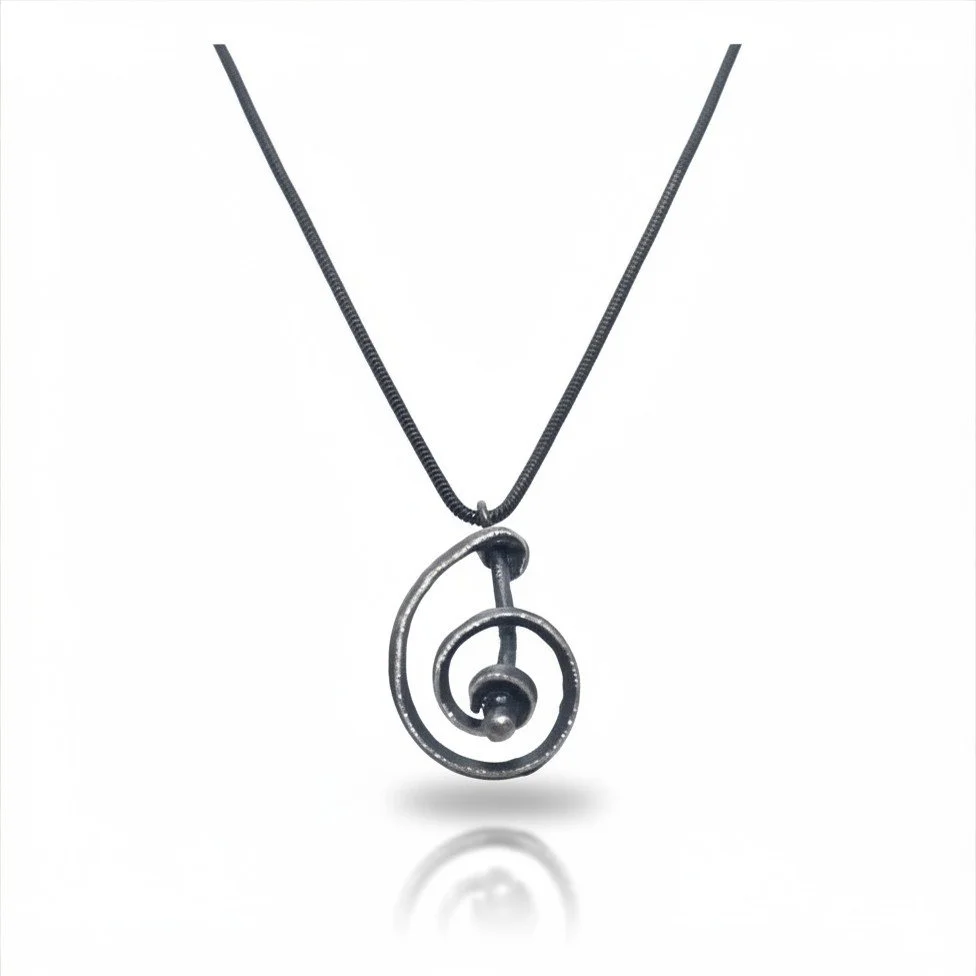
Spirals
Movement, rhythm, and continuous line
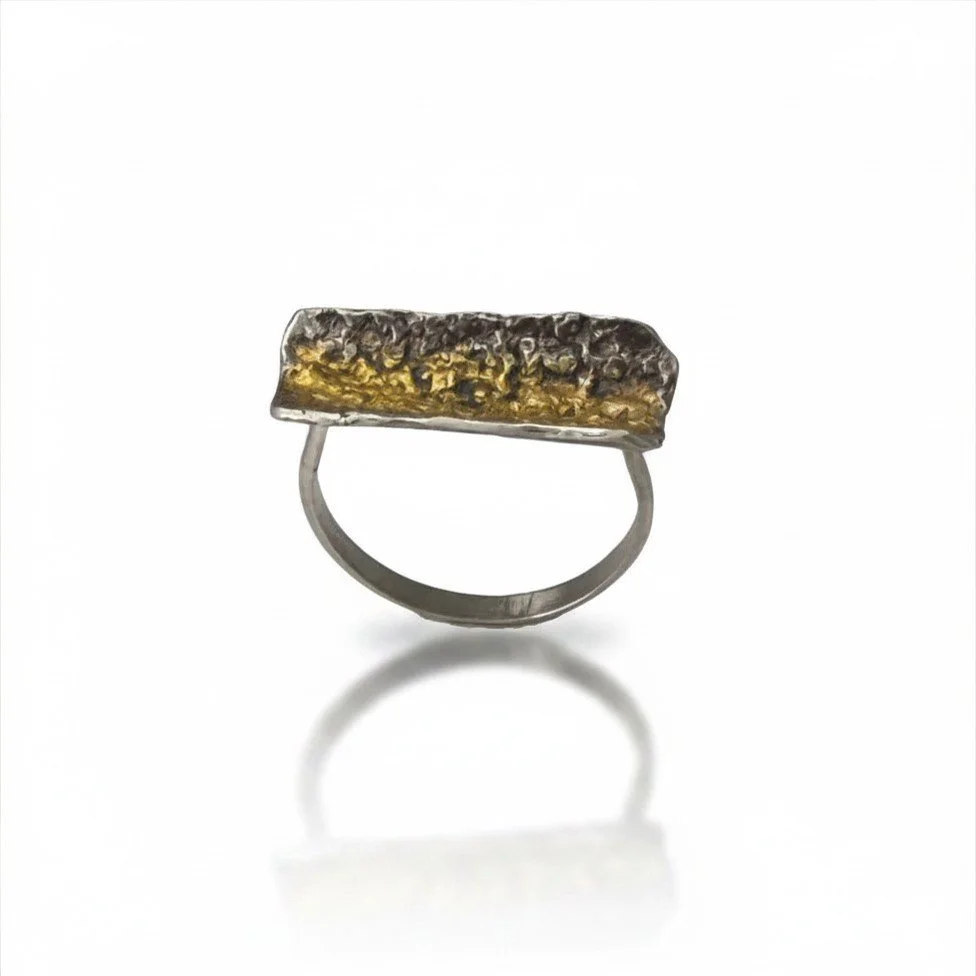
Metalworks
Texture, Contrast, and surfaces shaped by time